

'Moths and butterflies are more than symbols of summer, they are indicators of environmental health'

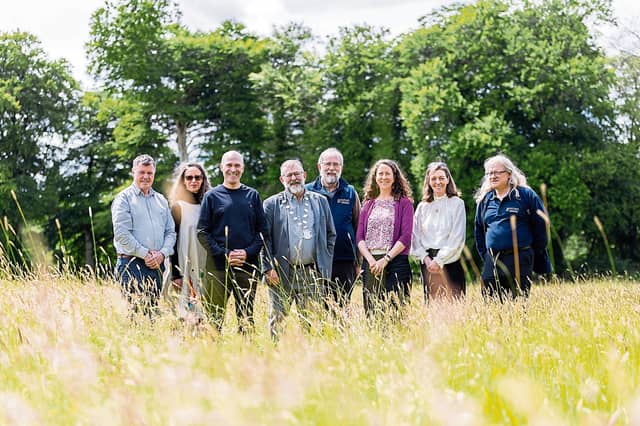

Green Limerick: Butterflies in trouble, say experts at Castle Oaks Hotel, Castleconnell, biodiversity-focused conference
A LANDMARK conference held in Castleconnell has brought together Ireland’s foremost biodiversity experts, citizen scientists, and Tidy Towns volunteers to address the urgent challenges facing the country’s moth and butterfly populations.
Organised by Limerick City and County Council with support from the National Parks and Wildlife Service Local Authority Biodiversity Action Fund, the event marked a pivotal moment in national efforts to protect these vital pollinators.
Representatives from key organisations, including the National Biodiversity Data Centre, Heritage Council of Ireland, Butterfly Conservation Ireland, Irish Moth Group, Castleconnell Tidy Towns, Limerick Branch of the Irish Wildlife Trust, and dedicated wildlife volunteers gathered to share knowledge, inspire action, and chart a course for conservation.
Ireland’s moths and butterflies are essential to healthy ecosystems, pollinating native plants and serving as a food source for birds and other wildlife. However, their populations are in steep decline due to habitat loss, climate change, and pesticide use.
Biodiversity officer at Limerick City and County Council, Sinead McDonnell says the conference established important connections.
“By bringing together experts, volunteers, and citizen scientists, we’re building a powerful network for change,” she said.
“Protecting our moths and butterflies isn’t just about saving species, it’s about restoring balance to our ecosystems and empowering people to take meaningful action for biodiversity.”
Once-common species are vanishing, and without immediate intervention, some may disappear forever.
Deputising for the Mayor of Limerick at the conference, Cllr Sean Hartigan said: “Moths and butterflies are more than just symbols of summer, they are indicators of environmental health.
“Their survival is intertwined with ours, and protecting them ensures a richer, more biodiverse future for Ireland.”
The conference highlighted the power of community-led conservation. From citizen scientists involved in data gathering, “Don’t Mow, Let It Grow” campaigns to hedgerow protection and pesticide reduction, simple actions can create safe havens for these delicate creatures.
Attendees were urged to embrace participation in citizen science projects, sustainable practices and support biodiversity-friendly initiatives in their local areas.
Liam Lysaght, CEO of the National Biodiversity Data Centre addressed the conference and stated: “Ireland supports a wonderful diversity of butterflies and moths.
“Encouraging people to help survey and monitor populations generates important information on the health of our local environment. It is also an enjoyable and rewarding activity.
“The National Biodiversity Data Centre is very pleased that Limerick City and County Council has taken the initiative to host this important conference to promote and better coordinate butterfly and moth surveying in Ireland.”
This gathering underscored a shared commitment to reversing biodiversity loss and mobilising action around enhanced data gathering.