

Healthy Living: Counteract the damage of antibiotics
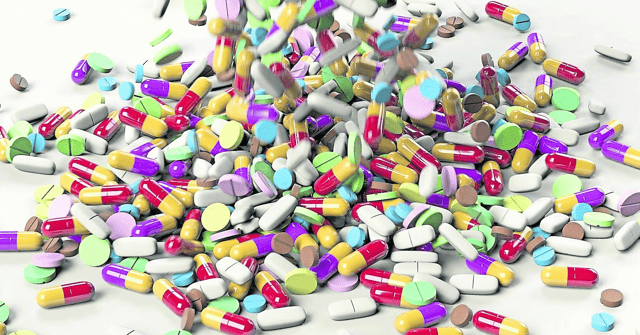

LAST week was the national Antibiotics Awareness Week.
In such stressful times many people feel under the weather and ask their GP to prescribe antibiotics – even though the symptoms might not be of a bacterial origin.
Antibiotics are the most over-prescribed medicine in the world – as a result, now we have many species that are resistant to even our most advanced drugs. What used to be a miracle cure in the early 20th century is rapidly becoming our enemy due to overuse.
In ancient times in Greece and India, moulds, herbal remedies and even warm soil have been used (in Russia) to treat an infection, until Sir Alexander Fleming a Scottish biologist, defined new horizons for modern antibiotics with the isolation of an enzyme from Penicillium notatum fungus in 1928.
Skip ahead 50 years, and Martin Blaser, Chair of the Department of Medicine at New York University recently published a book called “Missing Microbes”, highlighting the potentially dangerous long-term consequences that arise from the rampant overuse of antibiotics. He argues that changes in our microbiota may even be promoting the transmission of deadly organisms, as one of the important roles of an intact microflora is to resist colonization by pathogenic (bad) organisms.
Blaser also points out that, not only does the individual use of antibiotics cause permanent changes in the gut flora, but that infants born to women given antibiotics during pregnancy, or the 30% of children delivered via Caesarean section, may be starting life with a significantly altered and insufficient level of friendly gut flora. This is a serious concern because lack of diversity in friendly gut bacteria has been shown to contribute to a large number of diseases and complications.
The problem is that antibiotics kill bacteria, but not yeasts or parasites. It does not discriminate between disease-causing bacteria and our beneficial strains. Even a single course of antibiotic can cause a significant change in the variety of strains we have for years ahead, affecting digestive and overall health.
Diversity is crucial in our microflora and overall health, as each bacterium has its unique health benefits. Studies show that reduced diversity is behind common gastrointestinal problems like IBS and even inflammatory bowel disease and other autoimmune diseases and immune system imbalances. Why? Because over 70% of our immune cells reside in the gut and are regulated by the microbes living there.
New research points to the gut flora imbalance with not only digestive and immune problems, but skin disorders, obesity and mental health problems. Therefore, if you suffer from any of these ailments, or have taken antibiotics ever in your life – it is time to find out what is growing inside you and re-establish your healing bacterial diversity. Even if you must take antibiotics, taking probiotics alongside – starting from day 1, may reduce side effects and potentially improve the effect of antibiotics on antibiotic resistant pathogens. Choose a probiotic with the most available types of strains or eat fermented foods like sauerkraut and kefir daily for best results.