

New plan to bring vacant and derelict buildings in Limerick back into use

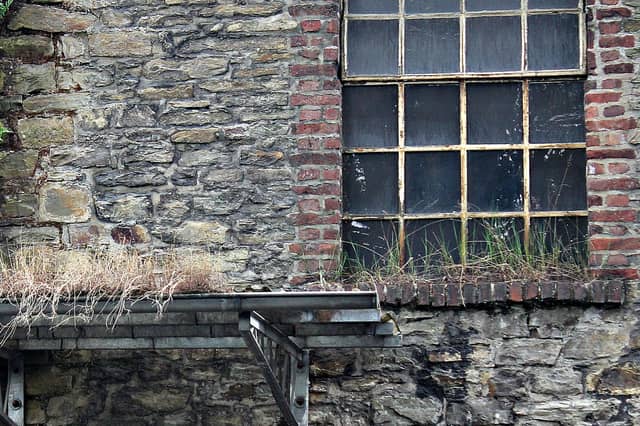

Steering group identified vacancy and dereliction as the most pressing city centre issue to be addressed
DERELICTION undermines the investment we are making in our streets, said Mayor John Moran as a new plan was unveiled to tackle the ongoing issue in the city and county.
The Limerick City Centre Revitalisation Steering Group has published its first policy paper, setting out recommendations to bring vacant and derelict properties in the city centre back into use. The group identified vacancy and dereliction as the most pressing city-centre issue to be addressed under the Mayoral Plan.
Mayor of Limerick and co-chair of the steering group, John Moran, said dereliction undermines the investment we are making in our streets.
“This paper shows that many of the tools needed to address it already exist. With the right reforms and better coordination, we can turn empty buildings into homes, businesses, community facilities and other spaces that contribute to a lively and welcoming city centre,” said Mayor Moran.
The commercial vacancy rate in Limerick city is 21.1%, while the rate across Limerick as a whole is 18.1%. Both are above the national rate of 14.5%. The paper highlights the continued vacancy or underuse of many properties, particularly upper floors above occupied shops and businesses, despite significant public investment in the city centre's streets and public spaces.
Central to the proposals is a senior city centre manager leading a dedicated team drawn from existing council personnel. The aim is to coordinate resources and expertise already in place, so that work currently carried out across separate departments becomes targeted and strategic.
Following presentations from Limerick City and County Council staff, the group identified a number of legal, regulatory and financial barriers. Its recommendations include changes to legislation so that vacant upper floors above occupied commercial premises are more effectively addressed, and a review of how building regulations apply to protected and historic buildings.
It also proposes grant support that reflects the number of floors brought back into use rather than only the number of new homes created, and the revival of the former Creative Limerick pilot as Make It Happen, enabling artists, creative practitioners and start-up businesses to make temporary use of vacant commercial premises.
The paper further recommends reviewing the Vacant Business Premises Rates Incentive Scheme, expanding the Vacant and Derelict Property Paint Scheme, and considering stronger enforcement where owners do not address vacancy or dereliction.
Cllr Maria Donoghue, co-chair of the steering group, said this paper provides a practical blueprint for action, and they hope its recommendations can be progressed quickly.
“It also gives an honest account of what local government can and cannot achieve on its own, and of how much Limerick can gain if we get this right,” said Cllr Donoghue.
The paper has been submitted to Mayor Moran and to the director General of Limerick City and County Council, Pat Daly.
The group has asked that recommendations be examined with a view to progressing those that can be implemented locally, while seeking national policy or legislative change where required.