Search


16 Feb 2026
Search
16 Feb 2026

Please allow ads as they help fund our trusted local news content.
Kindly add us to your ad blocker whitelist.
If you want further access to Ireland's best local journalism, consider contributing and/or subscribing to our free daily Newsletter .
Support our mission and join our community now.
To continue reading this article, you can subscribe for as little as €0.50 per week which will also give you access to all of our premium content and archived articles!
Alternatively, you can pay €0.50 per article, capped at €1 per day.
Thank you for supporting Ireland's best local journalism!


A grieving father whose son was one of three teenagers killed in a car crash is urging Westminster to give Scotland the “chance to pursue reform” and introduce graduated driving licences.
Alan Knox wants the UK Government to “give Scotland the same opportunity” as Northern Ireland, which will become the first part of the UK to bring in graduated licences later this year.
The change from October 2026 has been hailed by Northern Ireland’s infrastructure minister Liz Kimmins as the “most significant reform to driver licensing and testing in almost 70 years”.
Announcing the scheme earlier this year, she said: “These changes are aimed at young drivers who are sadly most likely to be killed or seriously injured on our roads.”
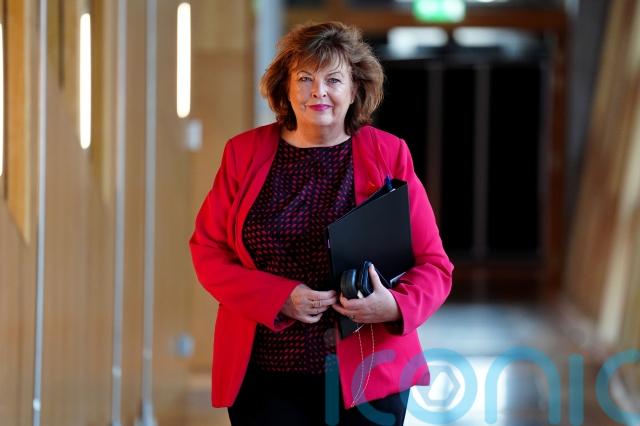
Mr Knox has already raised the issue with Scottish Transport Secretary Fiona Hyslop, who has called on the UK Government to “give Scotland the powers needed to pilot graduated driving licences”, adding these could “help save young lives and cut serious injuries” on the roads.
Mr Knox, a paramedic, took up his campaign after the death his son Lewis last year.
The youngster, who played for Fort William Shinty Club, was one of three teenagers from Lochaber killed in a car crash on the A830 road between Mallaig and Arisaig in the Highlands in August 2025.
The campaigning father said: “Too many families across the UK have suffered the unutterable pain of losing a child on the road.
“The international evidence clearly shows that graduated driving licensing works, reducing the prospect of fatal collisions involving young people.
“As Northern Ireland takes forward a pilot, I would urge the UK Government to give Scotland the same opportunity.
“It is not clear why the devolved administration at Holyrood isn’t being afforded a chance to pursue reform in this area.”
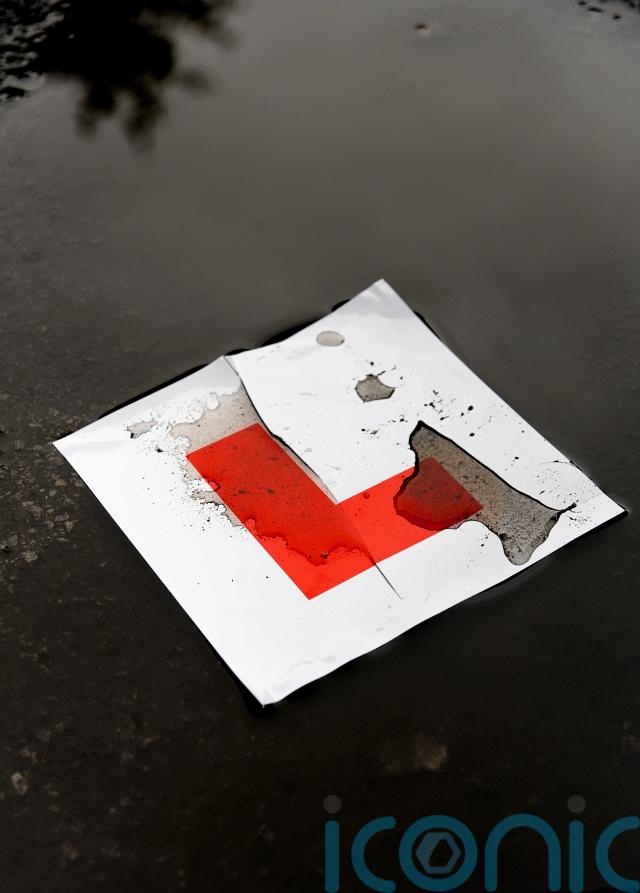
Mr Knox wants to see newly qualified drivers banned from carrying young passengers for six months after they have passed their test, arguing this could help reduce peer pressure some drivers feel when carrying friends in their car.
The paramedic also supports fitting black box devices to the cars of new drivers, to monitor their speed, driving style and the hours they are driving, with a further temporary restriction on driving late at night for new motorists.
He said: “Young people are not taught to drive at speed in adverse driving conditions like ice and snow and at night-time on rural roads.
“A car full of excited friends can be highly distracting to those who lack experience behind the wheel.
“It makes sense to place reasonable limits on new drivers. Plates to advise other road users, limits on late night driving and passenger numbers, a no alcohol rule, and other measures can reduce fatal mistakes.
“Systems in other countries speak for themselves. Canada witnessed a more than 80% reduction in deaths in 16 to 19-year-old drivers after it brought in graduated driving licences. Similar reductions have been observed in New Zealand and Australia.”
A Department for Transport spokeswoman said: “We want to keep young people safe while supporting their access to work, education and social opportunities.
“That’s why we’re not introducing blanket restrictions on new drivers, such as limits on passengers or night‑time driving.
“Instead, we’re focusing on better preparation before the test, including consulting on a minimum learning period.”
The department said it is consulting on a minimum learning period to give young people more time to build essential skills.

Subscribe or register today to discover more from DonegalLive.ie
Buy the e-paper of the Donegal Democrat, Donegal People's Press, Donegal Post and Inish Times here for instant access to Donegal's premier news titles.
Keep up with the latest news from Donegal with our daily newsletter featuring the most important stories of the day delivered to your inbox every evening at 5pm.

This publication supports the work of the Press Council of Ireland and Office of the Press Ombudsman, and our staff operate within the Code of Practice of the Press Council. You can obtain a copy of the Code, or contact the Council, at www.presscouncil.ie, Lo-call 1800 208 080 or email: info@presscouncil.ie.