

Redundancy dispute at Limerick plant escalates with further work stoppages announced


These follow the previously announced four-hour stoppage and placing of pickets on Monday, November 16.
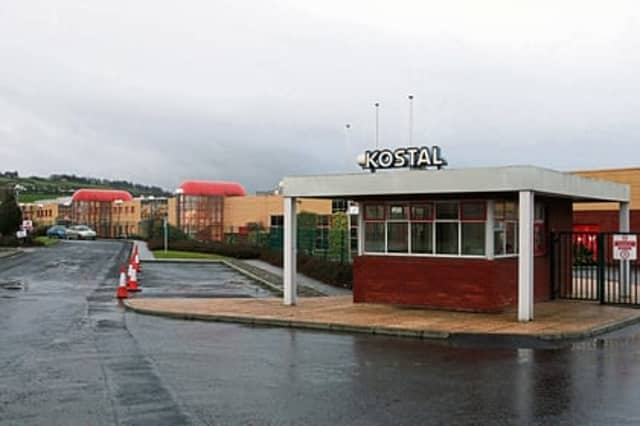
SIPTU has served notice of further work stoppages at the Kostal Ireland plant in Abbeyfeale, County Limerick, in an escalation of the dispute over redundancy terms and management’s “refusal to engage meaningfully” with their union.
Following a meeting with the in-house SIPTU committee, additional stoppages and the placing of pickets have been announced for Tuesday, November 17, from 2.30pm to 6.30pm, and Wednesday, November 18, from 12.30am to 2.30am.
These follow the previously announced four-hour stoppage and placing of pickets beginning at 2.30pm on Monday, November 16.
Kostal announced plans in January this year to make 140 workers redundant at the end of March 2027, following a decision to move production of onboard chargers to China.
SIPTU divisional organiser, Neil McGowan, said: “We have served notice of further work stoppages in this campaign. Our members are determined to secure a fair redundancy agreement and management must recognise that its continued refusal to engage will only deepen this dispute.
“Since the conclusion of the statutory 30-day collective redundancy consultation process, Kostal management has refused to engage meaningfully with SIPTU and declined an invitation to attend the Workplace Relations Commission (WRC). The company’s voluntary severance terms were rejected by 96% of members in a ballot. Members subsequently voted by 90% in favour of industrial action and 85% in favour of strike action.”
He added: “The more than 400 SIPTU members employed at the Kostal plant in Abbeyfeale want decent terms for workers leaving the company and a viable future for those remaining. Management can resolve this dispute by sitting down with their Union to negotiate a comprehensive agreement.”
SIPTU organiser, Eva Mitchell, said: “Our members have made their position clear. Management’s refusal to negotiate an agreement covering voluntary and compulsory redundancy terms, alongside arrangements for those remaining in employment, is unacceptable.”
“Workers’ families and the local economy will already suffer from these job losses. A failure to pay agreed redundancy terms to those losing their employment will exacerbate these issues.”
She added: “SIPTU remains willing and ready to enter negotiations with the employer directly or with the assistance of the WRC. The company must now respond constructively and engage with its workers’ representatives.”