

Build on flood plains or miss housing targets, Limerick warned

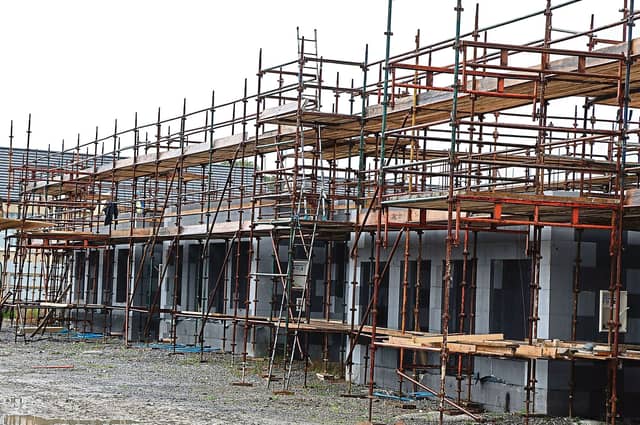

Limerick Chamber Urges Strategic Housing Action As County Falls Nearly 6,000 Homes Behind Target
More housing may need to be built on flood-prone lands in Limerick if the city is to meet its housing targets, according to Limerick Chamber, which believes the city has fallen nearly 6,000 homes behind its delivery targets and has urged major changes to get construction up and running.
It says the council’s latest development plan falls short of what Limerick actually needs, and has done its own analysis.
This suggests that while the proposed plan indicates a capacity for 17,000 homes, the Chamber’s own estimate suggests just 7,000 are realistically deliverable.
Building on flood-prone land is generally discouraged because of the risk of flooding to people and property.
However, the business representative body has warned that an overly restrictive approach to flood zone lands could make large-scale urban development unachievable, noting that significant parts of the city centre fall within designated flood-risk areas.
The intervention comes against a backdrop of persistent shortfalls in housing delivery and increasing pressure to identify sites capable of accommodating future population growth.
To address this, the largest business representative group in the region has suggested certain lands within flood zones should remain available for housing development, arguing that national planning policy already provides a mechanism to allow development on certain flood-prone lands where a clear justification can be demonstrated.
Limerick Chamber has made these points in a formal response to the council’s variation to the Limerick Development Plan.
The local authority hopes this variation to the plan - effectively a blueprint which rules what can be built where - can supercharge the delivery of housing.
As of now, Chamber suggests Limerick’s housing output “remains deeply inadequate”.
“Housing is the single biggest challenge facing our member businesses. Without homes, we cannot attract or retain talent, and without talent, we cannot grow,” said Chamber chief executive Donnacha Hurley.
“Under Limerick’s current rate of delivery, it would take 20 years to deliver the capacity stated under this plan. Even using the more realistic deliverable figure of 7,000 homes would take eight years to deliver this level of output. There is a clear signal that national policy is not yielding the results required,” the Chamber boss said.
Limerick Chamber has called for the rezoning of lands for residential use, including along flood zones in some cases.
On top of this, it wants to see the lands at the former Greenpark, just off the Dock Road in the city prioritised for large-scale residential zoning given their proven delivery potential, existing ownership in occupation, and proximity to the city centre.
Progress should be accelerated on State-owned sites, including Colbert Quarter.
A comprehensive action plan covering all tenures, not just social and affordable, with tangible delivery actions, active land management mechanisms, and prioritisation of infrastructure for developers who can demonstrate immediate site viability should also be put in place.
Limerick City and County Council has been contacted for comment.