Search


27 Jan 2026
Search
27 Jan 2026

Please allow ads as they help fund our trusted local news content.
Kindly add us to your ad blocker whitelist.
If you want further access to Ireland's best local journalism, consider contributing and/or subscribing to our free daily Newsletter .
Support our mission and join our community now.
To continue reading this article, you can subscribe for as little as €0.50 per week which will also give you access to all of our premium content and archived articles!
Alternatively, you can pay €0.50 per article, capped at €1 per day.
Thank you for supporting Ireland's best local journalism!


Sickness absence in the Northern Ireland Civil Service (NICS) has grown to an average of more than 13 days lost per staff member in a year, a report has found.
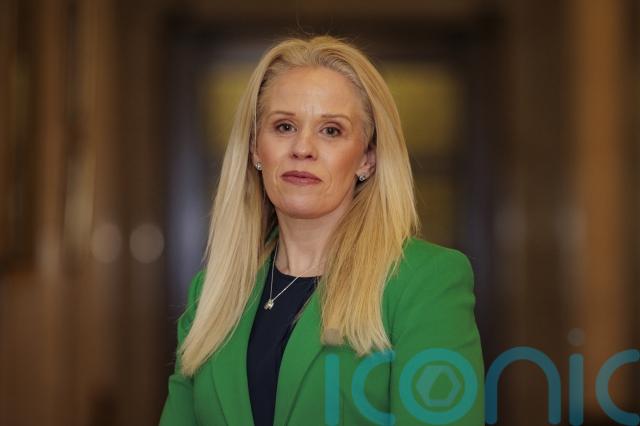
Auditor General Dorinnia Carville said the annual cost of sickness levels was now close to £50 million.
She also found that last year there were close to 5,500 vacant posts in the Civil Service.
The auditor said NICS has “not delivered the scale and pace of reform necessary to demonstrate value for money in its workforce and people management”.
In April 2025, the Civil Service workforce in Northern Ireland was 24,500. Its pay bill last year was £1.27 billion.
It is the third-largest public sector employer in the region, after health and education.
The Audit Office has published a follow-up to its 2020 report into NICS, stating that many problems it previously highlighted have escalated.
The report found:
– There were nearly 5,500 vacant posts declared by the NICS on March 31 2025.
– There is a “greater reliance on temporary staffing solutions”. The report said nearly 5,000 agency workers were employed last April, more than double the number recorded in April 2019.
– More than 3,000 NICS staff were temporarily promoted (representing 13% of the workforce).
– Sickness absence levels have risen to an average of 13.4 days lost per staff year in 2024-25, compared with 12.6 days in 2018-19.
– 57.6% of staff recorded no sickness days in year.
– The costs associated with sickness absence have also increased, from £32.9 million in 2018-19 to £48.8 million in 2024-25.
The report said there has been a “lack of progress in key strategic areas, such as workforce planning and recruitment”.
It also expressed concern over the affordability of filling vacant posts.
Ms Carville said a number of recommendations from the 2020 Audit Office report are still to be implemented.
Her latest report said there had been improvements in enhanced governance arrangements with the establishment of a People Committee, a new People Strategy for 2025-30, and the launch of new apprenticeship, student and work placement programmes.
However, it said that “without sustained, collective leadership and urgent delivery, the NICS is at continued risk of failing to demonstrate value for money”.
Ms Carville said: “Strong leadership and a right-sized workforce that has the requisite skills are essential for the NICS to successfully deliver critical public services and meet the priorities set out in the 2024–2027 Programme for Government.
“This requires a modernised approach to how the workforce is planned, recruited and managed.
“It is very disappointing that progress on implementing such reforms has fallen short of expectations arising from previous commitments, and that sickness absence rates remain high.
“The NICS is such an important workforce for Northern Ireland’s public services and, therefore, publication of a five-year People Strategy in April 2025 is welcome.
“Strong, collective leadership and urgent action from the NICS board and senior civil servants will be key in delivering it.
“There is an opportunity now to utilise new technologies to accelerate the scale of transformation needed to improve efficiency and effectiveness and maximise the value for money of the NICS.”

Subscribe or register today to discover more from DonegalLive.ie
Buy the e-paper of the Donegal Democrat, Donegal People's Press, Donegal Post and Inish Times here for instant access to Donegal's premier news titles.
Keep up with the latest news from Donegal with our daily newsletter featuring the most important stories of the day delivered to your inbox every evening at 5pm.

This publication supports the work of the Press Council of Ireland and Office of the Press Ombudsman, and our staff operate within the Code of Practice of the Press Council. You can obtain a copy of the Code, or contact the Council, at www.presscouncil.ie, Lo-call 1800 208 080 or email: info@presscouncil.ie.