

University of Limerick 'fully accept' findings of a report into building purchases

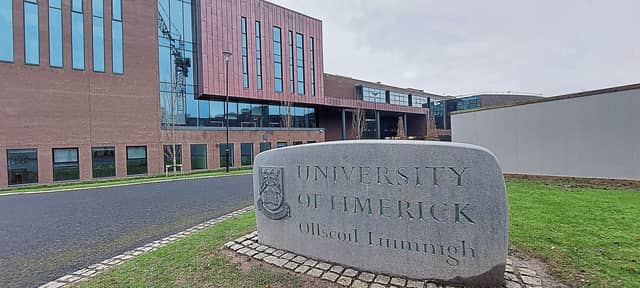

The special report was a review of the purchase of the former Dunnes building and properties in Rhebogue
THE PRESIDENT of University of Limerick (UL) has fully accepted the findings of a special report into the purchase of the former Dunnes building on Honan’s Quay and properties in Rhebogue.
The report was published by the Comptroller and Auditor General (C&AG) as a review into the property acquisitions by UL.
In a letter to all staff at the university, acting UL president Shane Kilcommons said; “UL fully accepts the findings, and the recommendations provided, and I want to assure everyone – staff, students, and external stakeholders, as well as our funders through the state - that we will implement these recommendations without delay, incorporating them into our larger recovery plan.”
He accepted that the findings are “very disappointing” and will undoubtedly cause anger and upset and said that “these events should never have occurred” and that the university has paid for these in both financial terms and in terms of reputational damage.
While he accepts the findings of the report make for difficult reading, he said it shines a light on the truth of what actually happened and that now this prompts a “time of change for UL.”
He said that corrective actions have already taken place and more are to follow.
Mr Kilcommons accepted that the controversial purchase of the Dunnes building, which was bought by UL for €8.3 million in 2019 and is only worth €5.4 million, was compounded by the purchase of twenty student houses in Rhebogue for more than €12.5 million - working out at a cost of €629,000 per house.
All of this controversy and various appearances before the Public Accounts Committee where these purchases came under scrutiny, prompted the resignation of professor Kerstin May as UL president on June 14. She took on a professorship within UL on September 1.
READ MORE: Marathon effort to honour late husband
Mr Kilcommons said that any damage to UL’s reputation and good standing is something that he deeply regrets.
UL now faces more scrutiny than ever before and will be working with the Higher Education Authority on a detailed draft recovery plan to implement recommendations and change the culture of operation within the university.
“Though the future of UL is bright as it is an essential public good, the institution must face the issues of the past and be committed to learning from these mistakes and rebuilding trust through tangible actions.
“There are no quick solutions to win back trust; achieving accountability will take time. Our governance has and will continue to improve, and this institution will be restored to its correct standing in the eyes of our community and stakeholders,” he said.