

PICTURES: The house from Home Alone is for sale but is very different inside now
Search


27 Dec 2025

Please allow ads as they help fund our trusted local news content.
Kindly add us to your ad blocker whitelist.
If you want further access to Ireland's best local journalism, consider contributing and/or subscribing to our free daily Newsletter .
Support our mission and join our community now.
To continue reading this article, you can subscribe for as little as €0.50 per week which will also give you access to all of our premium content and archived articles!
Alternatively, you can pay €0.50 per article, capped at €1 per day.
Thank you for supporting Ireland's best local journalism!

Dr Mary Ryan, Consultant Physician and Endocrinologist says the symptoms of menopause start at about age 45, as a result of a hormone imbalance | PICTURES: Adrian Butler

A LIMERICK endocrinologist has revealed how she “kept hearing horror stories” of women going through menopause at work.
In Ireland, the average age for menopause is 51. Even though it is a natural stage of life that affects half of the population, companies have only recently started to be more inclusive in their work policy regarding women’s health.
It's an initiative welcomed by many women, including Dr Mary Ryan, and Nicola Quilligan, who believe there should be more education in the workplace.
When ovaries no longer produce eggs, menopause occurs, resulting in the fall of oestrogen, progesterone, and testosterone – the levels of hormones.
Dr Mary Ryan, Consultant Physician and Endocrinologist, said the symptoms start at about age 45, as a result of a hormone imbalance.
“You get perimenopause because the eggs start depleting in the ovary and therefore the hormones level rise in the pituitary gland. As a result, there's a hormone imbalance everywhere because hormones control muscles, and they control the immune system,” she explained.
Symptoms can start seven years before periods stop, this is known as perimenopause - which refers to the time before the menopause.
While every woman is different, most common symptoms include hot flushes, night sweats, insomnia, lack of energy, low mood or anxiety, brain fog, vaginal dryness and discomfort, reduced libido, irregular periods, headaches, recurring UTIs, loss of muscle, weight gain, as well as joint aches and pains.
Around 1 in 10 women experience symptoms for up to 12 years. To help women go through this difficult period, Dr Ryan believes more should be done in the workforce.
“There’s more support now. But it's dreadful to think that we had to wait this long because menopause is not a new thing, it was around since Adam and Eve. Why wasn’t it talked about before that problem? Because women weren't seen as equal.”
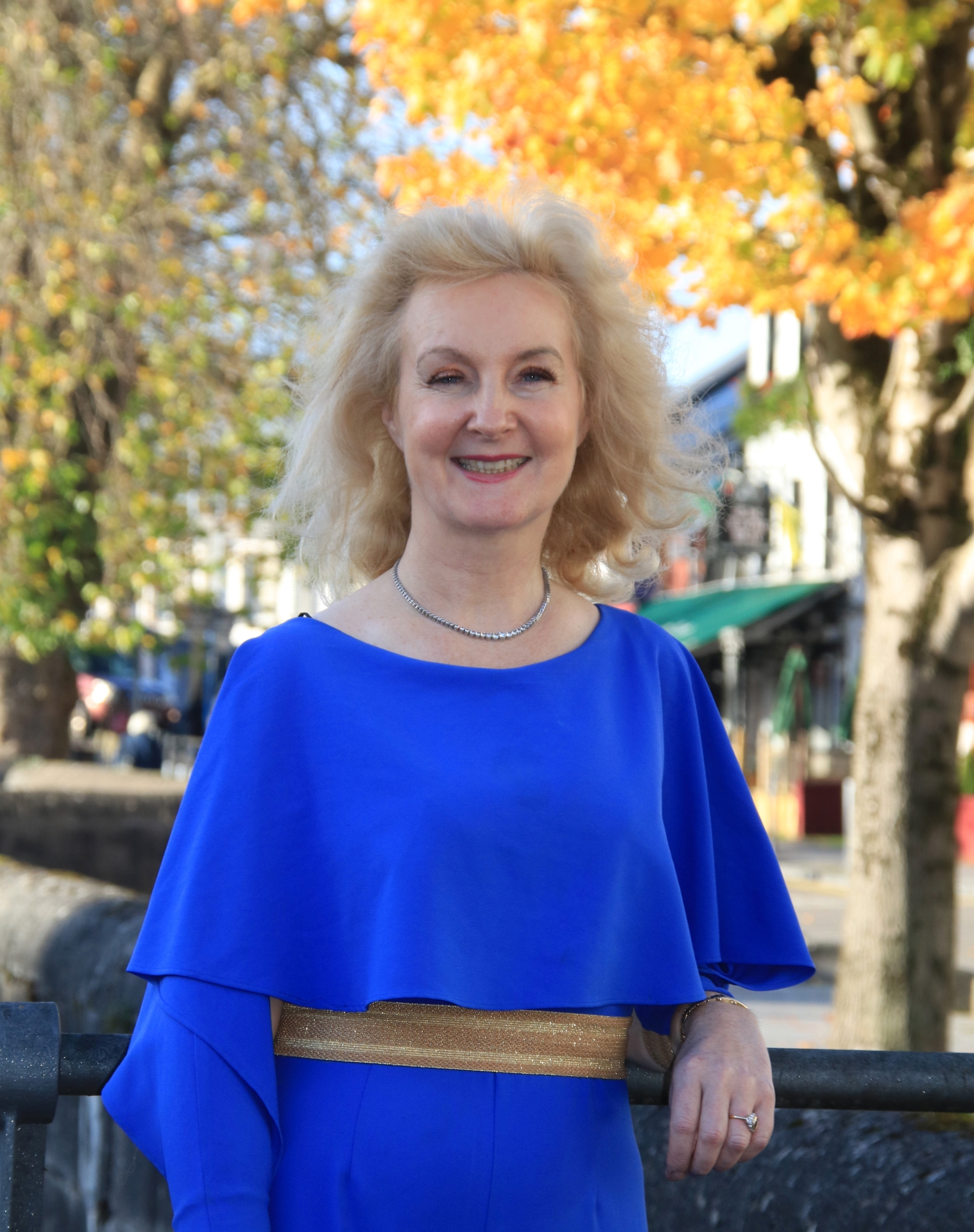
On October 18, Bank of Ireland introduced a menopause support policy offering up to 10 days of paid menopause leave, which can be taken within 12 months. Like many, Dr Ryan welcomed the initiative.
“One thing women have told me is that they’d love to have the days off, but won’t take it unless they need it. Women put up with a lot. Every month, they go through a whole hormonal journey, and I feel like women have not been recognised for this,” she said.
Eight years ago, Dr Ryan started her menopause education journey alongside journalist Lorraine Keane to raise awareness on the issue.
“I kept hearing horror stories of women suffering dreadfully, not knowing what was wrong with them, being told they were depressed, when in fact, they just had a hormone imbalance due to perimenopause and didn’t get any treatment,” explained Dr Ryan.
“Women didn’t talk about other problems that can come with menopause. Because of your reduction in estrogen, you can more likely get osteoporosis. Lots of women didn't know that, and they went on to fracture their bones, particularly their pelvis or their back lumbar vertebra, this caused major problems for them down the road.”
Dr Ryan said these problems can be prevented by taking adequate vitamin D and by getting proper treatment, such as hormone replacement therapy (HRT).
Limerick-based Nicola Quilligan experienced menopausal symptoms for the first time in 2019.
“I noticed in work I started having hot flushes that I never had before, that’s when I knew this was probably menopause.”
At first, her doctor was reluctant to conduct blood tests, but eventually put Nicola on HRT.
“It has helped quite a bit. In work, I was sitting at my desk and having hot flushes, and I was dripping. The main thing that I still have is brain fog and not being able to think of words, not able to concentrate. That's really difficult in the workplace. So, I’ve now sort of gone quiet in meetings and I don't sort of trust myself any more when I probably would have.”
Nicola, who works in the civil service, said her managers are very understanding and encouraging. However, she believes there should be more education in the workplace.
She feels women aren't supported enough.
“I feel like women give their all to a company sometimes, and they wouldn't ask for much in return."
"There is also still a bit of a stigma about menopause, that you’re not up to your job any more, but sometimes, you just do need a few days out just to get back to yourself," she concluded.

Subscribe or register today to discover more from DonegalLive.ie
Buy the e-paper of the Donegal Democrat, Donegal People's Press, Donegal Post and Inish Times here for instant access to Donegal's premier news titles.
Keep up with the latest news from Donegal with our daily newsletter featuring the most important stories of the day delivered to your inbox every evening at 5pm.

This publication supports the work of the Press Council of Ireland and Office of the Press Ombudsman, and our staff operate within the Code of Practice of the Press Council. You can obtain a copy of the Code, or contact the Council, at www.presscouncil.ie, Lo-call 1800 208 080 or email: info@presscouncil.ie.