

Ryder Cup in Limerick spurs need for vital infrastructure developments

IMPROVEMENTS to infrastructure countywide have been emphasised due to the significant potential presented to Limerick by the Ryder Cup.
At the October meeting of the Economic Development, Enterprise and Planning Strategic Policy Committee, members of the local authority stressed the importance of basic infrastructure upgrades, greenway extensions, and the development of shovel-ready sites to bolster economic growth in the region.
The first priority discussed was the modernisation of essential infrastructure, including roads, cycleways, and footpaths, with the aim of improving accessibility countywide.
Brian Thompson, of the Public Participation Network, stressed the urgency of these fundamental improvements to ensure a seamless experience for both residents and visitors as they traverse the region.
Councillor Stephen Keary made an appeal for local authorities, including those in Kerry, and Clare, to address these pressing concerns, and called for prompt action and a clear plan to provide the necessary infrastructure to support the proposed developments effectively.
Switching his attention to the Ryder Cup, Cllr Keary raised questions about the event’s long-term impact on the community, citing examples of similar events held in Europe and America over the past two decades.
He then brought attention to the ongoing land procurement process for the necessary road infrastructure to support the Ryder Cup.
He expressed concern over what he perceived as overly assertive actions by officials in dealing with local farmers directly affected by the land acquisition process.
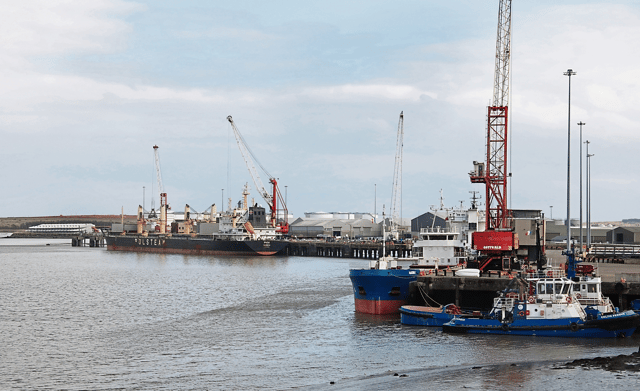
The Atlantic Wind project also occupied discussions, as did the commencement of port development ahead of the golfing event.
The Shannon Estuary Economic Taskforce (SEET) was launched in July and outlines the potential the estuary has for a green energy hub, largely consisting of offshore wind turbines.
A €500m expansion project is due to come into effect if the government policies are in place, aiding in bringing on shore power by 2032 and creating job opportunities in the county.
Cllr Keary highlighted the potential strain on local housing resources should additional people enter the Mid-West region because of new job opportunities.
The councillor then spotlighted existing challenges associated with public sewage and water infrastructure, particularly in areas like Foynes, where new jobs are expected to be created.
Councillor John Egan, too, expressed admiration for the project, but sought clarity on the necessary steps and support needed to lay a strong foundation for the project’s success.
In order to establish a successful foundation for the wind project, Barry O'Sullivan, Chairman of the Shannon Estuary Economic Taskforce, said it is important to support manufacturers in the region to help them navigate the decarbonisation journey without undue financial stress.
It was stressed that if investment becomes unfavourable due to high taxes, the pace of progress on the Shannon Estuary Economic Taskforce, will inevitably slow down.