

Limerick research proves that bone health improves across generations

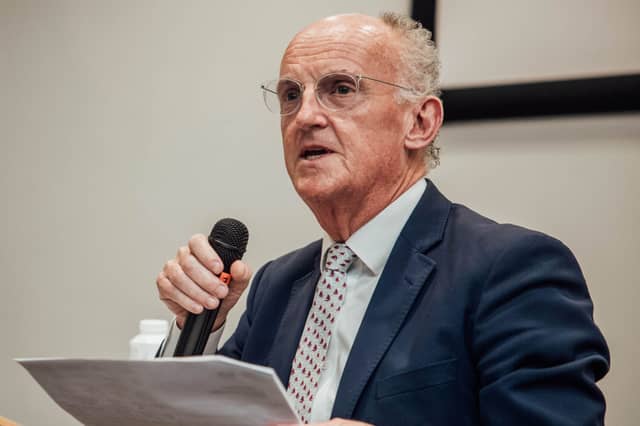

The research of patients in the Mid-West was carried out over a 26-year period to assess bone health and osteoporosis rates
THERE has been a dramatic decline in rates of osteoporosis across a generation of people in the Mid-West.
This is according to the results of a 26-year study carried out on patients from University Hospital Limerick and St Camillus Hospital.
Researchers examined more than 66,000 patients from the region who had bone density scans between January 1998 and December 2024.
The research, which was published in the Archives of Osteoporosis journal showed that osteoporosis at the hip has dropped from 19% to 7%, while osteoporosis at the lumbar spine fell from 30% to 8%.
The research team, who are based at University Hospital Limerick and St Camillus’ Hospital, believe the findings could have important implications for how Ireland anticipates the healthcare needs of a rapidly ageing population.
Osteoporosis weakens bones and is an important contributor to fragility fractures, particularly fractures of the hip and spine, which can result in disability, loss of independence and substantial demands on health and social-care services.
Dr Azrin Muslim, research directorate at St Camillus Hospital in Limerick, said: “The results do not mean osteoporosis has ceased to be a significant health problem, nor do they show that fractures will necessarily decline at the same rate. Hip-fracture risk, for example, is influenced not only by bone strength but also by falls and other clinical factors.
“While further research will be needed to establish whether similar trends are occurring nationally and internationally - and whether improvements in bone density translate into lower fracture rates - the scale and duration of the Irish dataset provide evidence that the health profile associated with older age may itself be changing.”
The research suggests that people presenting for assessment today may, at a given age, have significantly healthier bones than their counterparts did a generation ago.
Professor Declan Lyons, one of the study’s authors and HSE director of research in Limerick, believes the results call for a reassessment of some assumptions about ageing and future disease.
He said: “Osteoporosis and fractures of the hips and spine may not be as big a part of the future mix as we thought. The paper also reminds us that while growing old is inevitable, ageing isn’t and can be managed.”
Sandra Broderick, regional executive officer, HSE Mid-West, added: “This is an encouraging finding, not only because it points to healthier bones among people reaching older age, but because it challenges us to think differently about what ageing will look like for future generations.”