

Limerick coroner has “concerns” about communication and escalating care as inquest verdict delivered

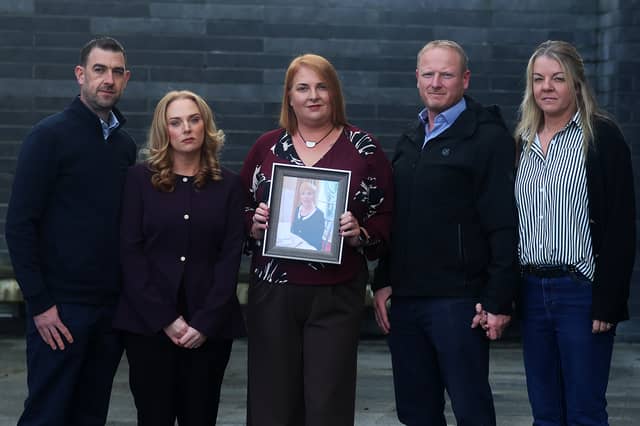

Limerick coroner John McNamara recorded a verdict of medical misadventure at the inquest of Geraldine O’Loughlin who died in University Hospital Limerick on July 7, 2023
THE LIMERICK coroner has delivered a verdict of medical misadventure, making recommendations to prevent future fatalities at University Hospital Limerick (UHL), following the inquest into the death of Geraldine O’Loughlin.
The 70-year-old grandmother from Lower Carey’s Road passed away on July 7, 2023, two weeks after being admitted to UHL by ambulance.
The O’Loughlin family said that their mother was the heart and soul of their family and was a “selfless woman who devoted her life” to her four children and grandchildren.
Speaking outside Limerick Coroner’s Court, her daughter Catherine said: “The loss of our Mam has left a void that can never be filled.”
Coroner John McNamara said that he had “concerns” about communication and the escalation of Mrs O’Loughlin’s care from when she was admitted on June 23, 2023, right up to when she sadly took her final breath on July 7, 2023.
There were tears from Mrs O’Loughlin’s family as the verdict was delivered in Kilmallock courthouse.
The coroner recommended that UHL review its procedures for escalating care in relation to high Irish National Early Warning System (INEWS) scores.
He also recommended that procedures in relation to clinical assessments, observations and communications be documented properly and that there be a change to how nasal gastric tubes are monitored.
Mr McNamara said that he hopes “changes will contribute to patient safety.”
Before the verdict was delivered, barrister Anne Marie Dunne BL on behalf of Mrs O’Loughlin’s family said that “clinical safeguards designed to protect her actually failed her.”
She also argued that clinical national guidelines for Irish National Early Warning System (INEWS) scores were not followed.
Barrister Denise Mulcahy BL representing UHL accepted that there were “missed opportunities” in adhering to national protocols.
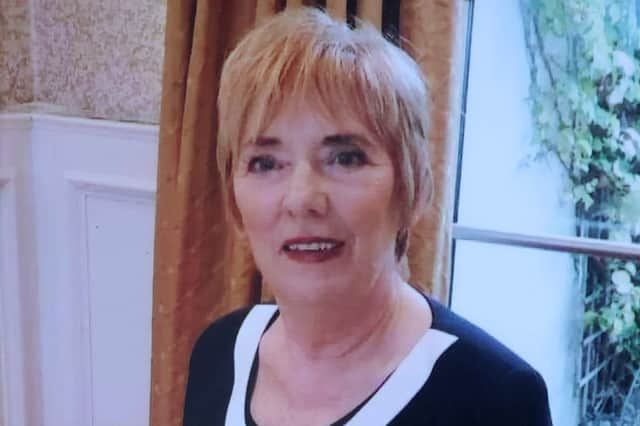
Evidence was heard at the inquest on November 4, but it was adjourned until today, Thursday, November 19, for a verdict.
Mrs O’Loughlin’s family want more emphasis placed on the importance of INEWS scores.
The inquest had heard that Mrs O’Loughlin had a history of COPD, stroke, heart failure and a hiatus hernia.
When the woman was admitted to UHL, she was moved to the resuscitation unit and had been vomiting with the possibility of gastro intestinal bleeding.
Dr Anastasia Saleh told the coroner that it was possible that Mrs O’Loughlin had aspirated (breathed in) some vomit.
Even though the patient was described as being “clinically stable” at times, she did have an INEWS score of up to nine, which some doctors and nurses were not aware of.
A nasal gastric tube was inserted, there were attempts to reinsert it and the 70-year-old was intubated.
A decision was made not to operate and evidence was heard that 1,000ml of gastric fluid was extracted after it had most likely accumulated in the stomach.
A consultant surgeon Dr Nisar Ali gave evidence that “the only chance she had of survival was conservative management.”
The cause of death was recorded from the post mortem as being cardiorespiratory failure.
Coroner John McNamara extended his sympathies to the O’Loughlin family and said: “They have carried themselves with great decorum throughout.”
May she rest in peace.