

University of Limerick research reveals ‘poor control’ of high blood pressure in adults with kidney disease
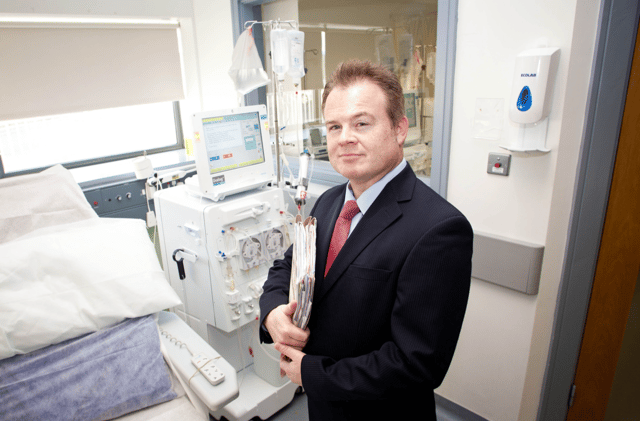

Hypertension is a major risk factor for kidney failure, heart attacks and strokes
A NEW study by researchers at the University of Limerick has found that the control of high blood pressure in adults with chronic kidney disease is ‘poor’.
The new study by researchers at the UL School of Medicine has just been published in the Clinical Kidney Journal of the European Renal Association.
The study found that 82% of individuals aged 50 and over with chronic kidney disease in Ireland suffer from hypertension, and although the awareness and treatment of hypertension are high, control of blood pressure is far from desired with less than 50% of individuals achieving a desired target.
An estimated 400,000 patients in Ireland have chronic kidney disease, and hypertension, or high blood pressure, is a major risk factor for kidney failure, heart attacks and strokes.
READ MORE: Worst July on record for overcrowding in UHL
The study was led by Dr Leonard Browne, Senior Research Fellow in Biostatistics, National Kidney Disease Surveillance System (NKDSS) at the School of Medicine.
He explained that, “Hypertension is common in individuals with chronic kidney disease and a major risk factor for kidney failure, major cardiovascular events and death. Despite our best efforts using a wide variety of anti-hypertensive medications, achievement of blood pressure control in patients with kidney disease remains a major challenge.
Professor Austin Stack, senior author and lead investigator at NKDSS, and consultant nephrologist, University Hospital Limerick, said, “Unfortunately, the high levels of awareness and treatment did not translate into better blood pressure control.”
Angie Brown, consultant cardiologist and medical director with the Irish Heart Foundation welcomed this study: “In the Irish Heart Foundation, we call high blood pressure the silent killer as most people don’t realise they have high blood pressure unless it is measured.
She believes that this paper “highlights the importance of the ongoing management of blood pressure”.