

'Significant capacity pressures' continue at UHL despite new beds, warns HIQA

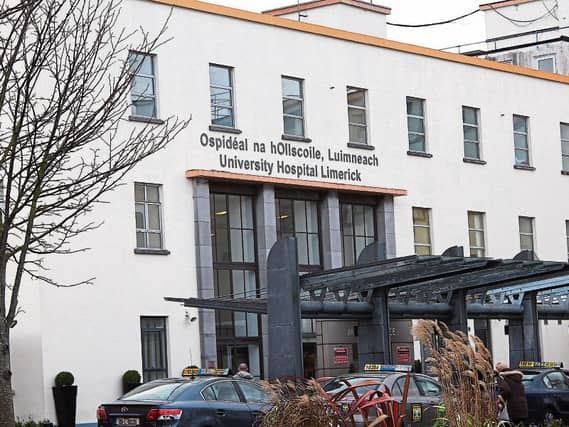

HIQA’s latest inspection report on University Hospital Limerick acknowledges the ongoing pressures on services which continue to impact patients, families and staff
INSPECTORS have found that significant capacity pressures continue at University Hospital Limerick (UHL) despite the opening of the new 96-bed block at UHL delivering early benefits to support patient flow.
This was demonstrated by the hospital’s ongoing capacity escalation, continued dependence on surge capacity, and the persisting use of trolleys for patients admitted to inpatient areas. The placement of patients on trolleys in wards is not sustainable to delivering safe patient care and patient safety risks will persist until the current and future demand-capacity gap is fully addressed.
HIQA welcomes the recent announcement by the Minister for Health on the awarding of a public works contract for the delivery of a new inpatient ward block at UHL as part of implementing the advice provided in HIQA’s independent review.
On this follow-up inspection of UHL following the publication of the HIQA’s independent review on the design and delivery of urgent and emergency healthcare services in HSE Mid-West, inspectors found the hospital had continued effective management arrangements to sustain improvements since the previous inspection.
The Mid-West Health Region welcomed HIQA’s latest inspection report on University Hospital Limerick, which recognises significant progress in governance, patient experience and quality improvement, while acknowledging the ongoing pressures on services that HIQA has previously identified and which continue to impact patients, families and staff.
Regional Clinical Director Dr Catherine Peters said the report reflects the dedication of staff and the collective effort to strengthen quality and patient care across the region.
“It is encouraging to see HIQA recognise the significant progress that has been made in areas such as governance, patient experience, and quality improvement. These improvements reflect the commitment of our clinical and operational teams, who work every day to provide the best possible care for patients and families across the Mid-West,” said Dr Peters.
Regional Executive Officer Sandra Broderick praised staff across the region for their commitment, professionalism, and compassion:
“This report is a tribute to the extraordinary people working across UHL and our wider health services every day. Despite immense pressure, our staff continue to put patients first, delivering compassionate care and driving real improvements in how services are delivered.
“I want to sincerely thank our teams for their dedication, professionalism, and resilience. I also want to acknowledge and thank our stakeholders across the region, particularly our Mid-West Hospitals Patient Council, our Regional Patient and Service User Council and the many advocacy groups who continue to engage constructively with us. Their perspectives help inform our work and strengthen our understanding of the needs and experiences of patients, families, and communities across the Mid-West.
“Their collective commitment is making a difference for patients and families across our region.”
Ms Broderick said the findings reflect both the progress being made and the challenges that remain:
“We are making real progress and recognise the challenges we continue to face. Demand for our services continues to grow and our staff are working tirelessly every day to provide the best possible care and support to patients and families in a very challenging environment.
“Progress and pressure can and do exist in the Mid-West at the same time. What is particularly encouraging is that HIQA has recognised the improvements being made across a number of areas, despite the pressures our services continue to experience. That reflects the commitment of our staff and their determination to continuously improve the care and experience of the people we serve.
“The region remains focused on continuing to strengthen patient care, quality and patient experience, and on responding to the recommendations and concerns highlighted through HIQA’s inspection process.”
She also welcomed the Government’s continued investment in the region:
“I want to acknowledge and thank Government for its continued commitment to the Mid-West. We are already seeing the benefits of that investment across our services and it is helping us build for the future.
“With continued support, we can further strengthen our services, expand capacity and ensure that patients and families across the region receive the care and support they need closer to home.”
Ms Broderick added that the report provides encouragement that the region is moving in the right direction.
“We are building a stronger, more connected health service for the people of the Mid-West. Our focus is on ensuring that every person, regardless of where they live, can access the care and support they need and have a positive experience of our services.
“While there is more work to do, HIQA’s findings recognise the progress being made and the dedication of the staff who make that progress possible every day. We remain committed to continuing that journey and delivering better outcomes and experiences for the communities we serve.”
HIQA continues to engage with each service where non-compliance was identified to ensure compliance with the national standards.