

University Hospital Limerick top executive defends mortality rates

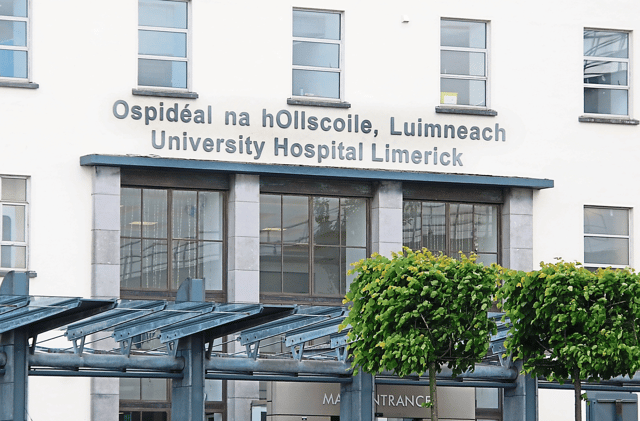

The regional executive for HSE Mid-West, Sandra Broderick has defended mortality rates in University Hospital Limerick
THE REGIONAL executive officer at HSE Mid-West says that University Hospital Limerick is “not an outlier in patient metrics” in terms of mortality rates.
Sandra Broderick said that UHL has “better outcomes” than many other Model 4 hospitals, despite concerns raised about national publicity over what the HSE has admitted are “preventable” deaths.
Speaking at an event in St John's Hospital, Ms Broderick told the Limerick Leader that they monitor mortality rates.
She added that HIQA verified in its report that it “wasn’t mismanagement”.
“Not that we had terrible staff working for us, we had a lack of capacity and a lack of equitable resources,” she pointed out.
Earlier this year, Labour TD Conor Sheehan raised concerns about there being just two part-time pathologists in the Mid-West and said that it is causing delays for funerals and inquests.
Ms Broderick said that the HSE is working on hiring more pathologists and that there is a national shortage and that this isn't unique to this region.
She said: “The chief clinical officer is working on that with the chief executive of the HSE and that’s something that I am working on so that we can get more pathologists in.”
When questioned about the number of young people in particular, who have lost their lives in UHL, and their families who have later received apologies for “failings” in their care, Ms Broderick pointed to the successful patient outcomes.
“I don’t want to detract from anyone that suffered harm in any of our services, that’s not what I’m here to do, but I do have a responsibility to also balance that out with the hundreds of thousands of patient contacts that happen every single year in this region and that’s really important for confidence.
“Yes, there are incidents, but we are really committed to learning when things don’t go right, when things almost don’t go right, to prevent things from happening.”
She added: “The last thing we want is people waiting and funerals being delayed.
“The bearing of pathology reports is for the coroner to answer, I can’t move forward inquests unfortunately.”
Ms Broderick stressed that gathering information after a death can also take significant resources and staff input.
“Sometimes it takes time to understand fully what went wrong, to make sure that we understand it, that we’ve engaged with families when things have gone wrong, but equally, there are inquests happening all over the country today, not just in Kilmallock and I think that’s really important as well,” she said.