

Green Limerick: Feale bio team ward off cascade of collapse
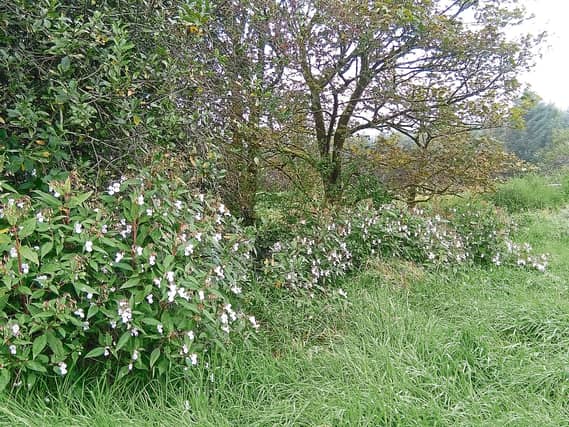


INVASIVE species are a major topic of concern as they attack the very core of biodiversity in Limerick, across Ireland and indeed the world. Tackling the spread of non-native plant species is a difficult task to undertake but it’s just another day of work for local group Feale Biodiversity.
The group focuses on one species in particular called Himalayan Basalm, a visually stunning species of plant with bright pink flowers.
Onlookers are warned not to be fooled by the plant's beauty, however, as it adores the Irish climate and can take over from other species in a heartbeat.
Anneke O’Connor describes the work Feale Biodiversity undertakes along the River Feale catchment area and its importance.
“We were set up in 2012, at the time I had been working in the local town park in Abbeyfeale,” Anneke who is over visiting the Netherlands at the moment said.
Anneke had been recording the flora and fauna within the park and later ended up publishing a book about it.
“I was looking to set up something that would help biodiversity in the larger region and then I contacted our local angling club who had also been looking at getting rid of invasive species,” she said.
That’s when Feale Biodiversity was initially set up, according to Anneke.
“At the moment it is very low-key, however,” Anneke said.
There are fewer people involved in the group nowadays compared to previous years. Anneke also suffered from a knee injury so she couldn’t do much field work.
“In normal years I would go out mainly to the source areas of the Himalayan Basalm. With that species, you need to really tackle it at the source otherwise there’s no point in your efforts if you are working downstream because it spreads by seeds and the seeds will be coming in from higher up all the time.”
Anneke and the team mainly focus on the Oolagh tributary and areas near Tournafulla, all in the River Feale catchment area.
Those are two areas where the Himalayan Basalm issue starts. It goes all the way from there to Ballybunion, according to Anneke.
Himalayan Basalm is an annual plant and it spreads by sea.
“If you collect them all at the source at the top of the river then you should theoretically be able to work your way down and collect them all,” she said.
“In practice, it’s pretty hard, they won’t just be a few meters along the river, there can be whole fields of them in certain areas and if you have bad luck they can jump to other fields and take over a large area.
“There’s a lot of them on the roadsides as well. It really is just a battle against time to get them in the right periods before they produce fresh seeds,” Anneke added.
Once the seeds are ready they can “explode” away from the plant, up to seven meters on land and if they land in water they can be brought anywhere.
One of the main issues with invasive species is that they do not feed the native herbivores such as our caterpillars, leaf beetles, greenflies and many more insects.
Anything that feeds on plant material, not including pollen or nectar needs native plants. They can’t feed on foreign plants. If more and more areas get taken over by non-native plants then there is less and less food available for the native herbivores and these native herbivores are a part of the food chain.
“If you look at the likes of ladybirds and lacewings, they feed on the greenfly so if you don’t have the native plants to feed the greenfly then you don’t have them either,” Anneke said.
“It’s a cascade of collapse that would happen.”
Himalayan Basalm can also worsen bank erosion because they grow extremely tall and can take over an area. Their roots will be holding the bank together and then come autumn they all die and then there’s nothing holding the bank together.
“This can make the problem worse for the likes of salmon which needs very clear water to spawn. Those spawning grounds would get destroyed by the soil from the bank erosion,” Anneke said.
The plant is actually loved by bees, which you would imagine is a good thing but in turn it is not so good as native Irish plants become ignored by bees and will eventually die off.