

Exhibition celebrates links between ancient German artform and small Limerick village

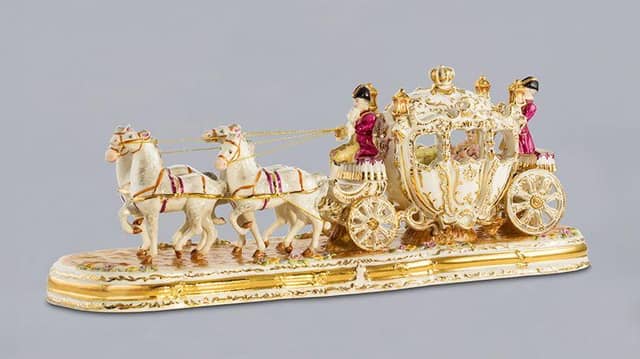

The exhibition is available to visit until the end of January
THE CONNECTION between one small Limerick village and the porcelain art associated with a part of East Germany can still be discovered.
The exhibition 'From the GDR to Dromcollogher: The Story of the Irish Dresden' is running in the Limerick Museum on Henry Street until the end of the month, finishing on Saturday, January 31.
In the 1960's, a porcelain factory uprooted from war-torn East Germany, a divided country, fraught with political tension, and moved to a small village in County Limerick.
The Saar family overcame leaving their home, their culture and their lives, bringing what they could and their love for porcelain to Dromcollogher.
With great grit, resilience and determination, they rebuilt their lives in rural Limerick.
The exhibition features some rarely seen Irish Dresden porcelain figures.
The art has been passed down through generations of the Saar family since the early 18th century.
The pieces take weeks and months to complete, with each part of the process steeped in hundreds of years of tradition and craftsmanship.
Some of the pieces are so intricate that they contain up to 150 individual pieces.
It celebrates the company that brought so much creativity and German history to Limerick, while also marking the legacy of Irish Dresden in Limerick.
The exhibition features figurines, stories and photographs from across the decades.
The exhibition runs in the Limerick Museum in the Old Franciscan Friary on Henry Street until January 31.