

Parenting Limerick offering free online webinar on navigating school anxiety
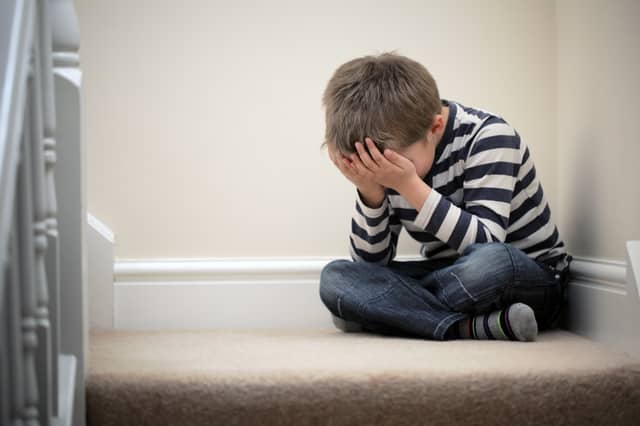

Midwest Primary Care Child and Family Psychology Service host parenting webinar, Navigating School Anxiety, on September 17
For some children, the words “It’s time for school” can bring excitement and anticipation for learning new things or seeing friends. For others, it can bring a very different response, a sore tummy, tears, headaches, or a desire to stay at home.
As parents it can be really difficult to understand what might be happening here for your child. You may wonder, is your child simply reluctant to go to school or are they experiencing anxiety?
Anxiety is a normal part of life. In fact, it can be helpful. We all have an internal alarm system that alerts us when we perceive a threat and prepares our bodies to respond. The problem is that sometimes this alarm can become activated even when there is no immediate danger. Some situations that we know are safe, can sometimes feel threatening to a child. For example, speaking in front of the class.
When our alarm system is activated, we can respond in different ways. We might fight (acting out); flight (trying to escape or avoid the situation); freeze (becoming unable to act or respond); or fawn (becoming overly compliant or focused on pleasing others).
For some children, school-based anxiety can involve anxious feelings about school, together with negative thoughts about school and their ability to cope with what they encounter there. One useful way of understanding this is through the connection between our thoughts, feelings, physical sensations and behaviours. Our thoughts change the way that we feel, which subsequently changes the way that we act.
Let’s imagine a child who is asked to speak in front of their class. If anxious about this situation, they might think, “I’m going to get it wrong,” “I’m not good enough,” or “Everyone will think I’m stupid.” These thoughts can lead to feelings of fear, embarrassment or shame. Their body may then react with a racing heart, sweaty palms, tense muscles, or butterflies in their stomach. Their behaviour might then be to refuse to participate, become very quiet or completely freeze. The next time a situation like that happens, the child’s alarm may sound even louder, they will remember their reaction, feelings and response, and may be even more anxious. This is how an anxiety cycle can develop.
There are many reasons a child may experience school-based anxiety. These can include anxiety around separation from parents or carers; school factors such as workload and academic pressures; fear or dislike of particular subjects; finding subjects difficult; peer problems such as social isolation, bullying or conflict with friends; and anxiety about activities involving performance or evaluation, such as speaking in front of the class or completing tests.
It is also important to consider the individual child. Neurodivergent children can experience school-based anxiety too, sometimes alongside additional challenges within the school environment. Differences in sensory processing, communication, attention, learning, social interaction or managing change may make certain aspects of school particularly demanding. A child’s temperament can also influence how they experience the school environment. Children that are more sensitive may notice and respond a lot more strongly to sensory, emotional or social demands, increasing the likelihood of anxiety and overwhelm. Understanding what is difficult for a particular child can help adults identify what support they need.
So, what do you do as a parent?
Start with empathy. Try to listen and acknowledge your child’s feelings without reinforcing the idea that the situation is dangerous. Instead of immediately saying, “Don’t worry, there’s nothing to be afraid of,” try, “I can see this feels really difficult for you. Tell me what feels hardest.”
Be curious about the worry. Open questions such as “How do you feel about school?” or “What is the hardest part of the school day?” can give children space to explain what is happening. Sometimes the concern is very specific. For example, a particular subject, person, activity or part of the school day.
Think about your own responses too. Children often pick up on how their parents are feeling. If we become very worried when our child is worried, they may interpret this as confirmation that there really is something to fear. This does not mean parents should hide their emotions; rather, it is about being aware of how your own anxiety may be affecting your child.
Express positive but realistic expectations. You can’t promise that your child’s fear won’t come true, but you can express confidence that they are going to be okay.
For some young people, anxiety can become so overwhelming that attending school feels impossible. This is sometimes described as emotion-based school avoidance. The word “avoidance” is important because “refusal” can imply that a child is simply choosing not to attend, when in reality they may be experiencing such intense distress that attending feels impossible.
Early support is important. When anxiety has reached the point where a child is struggling to attend school, working together with the child, family and school can make a real difference. This might involve identifying what is making school difficult, agreeing a gradual plan for returning, and identifying a trusted member of staff who can support the child when they arrive. Small adjustments to the school day may also help while the child builds their confidence and capacity to cope at school.
Most importantly, school-based anxiety is not simply about a child being “difficult” or “not trying hard enough”. Anxiety can have a significant effect on how children think, feel, and behave. Sometimes, the behaviour we see on the outside is simply our child’s way of communicating they need help. When we understand what is happening underneath the behaviour, we can move from asking, “Why won’t my child go to school?” to asking a much more helpful question: “What is making school feel so difficult, and how can we help?”
Midwest Primary Care Child and Family Psychology Service is running a free online parenting webinar, Navigating School Anxiety, on Thursday, September 17 from 10am to 11:30am. This webinar is suitable for parents supporting young children around school related anxiety. To attend contact 087-3451489 and leave a voicemail with your name and number. Registration closes on Tuesday, September 15 at 11am.
This article was written by Diekololaoluwa Amujo, psychology assistant with the HSE Primary Care Child and Family Service, Limerick. This service is a member of Parenting Limerick, a network of parenting and family support services across Limerick city and county.