

‘Deficiencies’ identified in Limerick council’s flood relief effort

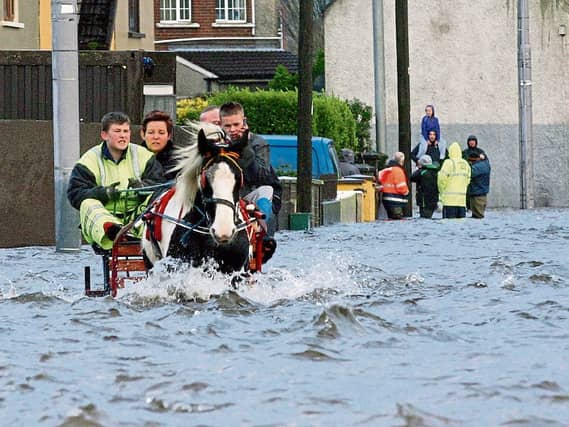

A COMMUNITY is facing more delays for defences to prevent floods destroying their area again after An Bord Pleanala identified “deficiencies” in the council’s planning application.
It’s now almost seven years since the devastating floods which ruined hundreds of homes in the St Mary’s Park area.
And former mayor of Limerick John Gilligan, who lives in the Lee Estate, says: “People’s patience is running out.”
“The day after the flooding, a meeting was held in the Limerick Strand Hotel, where local TDs and councillors said the money was guaranteed, and it would take two years for the building. It’s now seven years, and we’ve still no idea when building is going to start,” he said.
Last year, council applied to An Bord Pleanala for the King’s Island Flood Relief scheme.
But one of those people who made a submission, solicitor Michelle Hayes says the national appeals body has identified “deficiencies” in the council’s application. The body has requested “substantial further information,” she added.
The comprehensive scheme would see the erection of flood defences right across the island as far as the potato market, plus the relocation of astroturf pitches.
Some footpaths would be raised or altered, while glazed flood walls would be erected at some points along the route.
However, Ms Hayes, who is president of Environmental Trust Ireland argued Limerick Council needed to review and amend its Environmental Impact Assessment report to take account of new European directives.
The authority must also prepare a fresh Natura Impact Statement, and has been given until August 21 to provide the national appeals body with this.
Ms Hayes said: “I’m pleased An Bord Pleanala gave such weight to the environmental issues, archeological, cultural and medieval heritage impacts on Limerick’s historic walls, and tunnels, biodiversity, water abstraction, the loss of protected species and habitats and the effect of the Ardnacrusha hydroelectric power plant on water release.”
Mr Gilligan says Limerick needs to fight its corner in relation to projects like these.
“Limerick has been left behind. I think maybe we don’t complain enough. I think it’s time some of us, our TDs in particular, stop remaining nice quiet people. We should be demanding this. We’ve been through an awful time,” he added.
The flash flooding took place in February 2014.