

Expanded Super League and how to stop Hull KR defending title
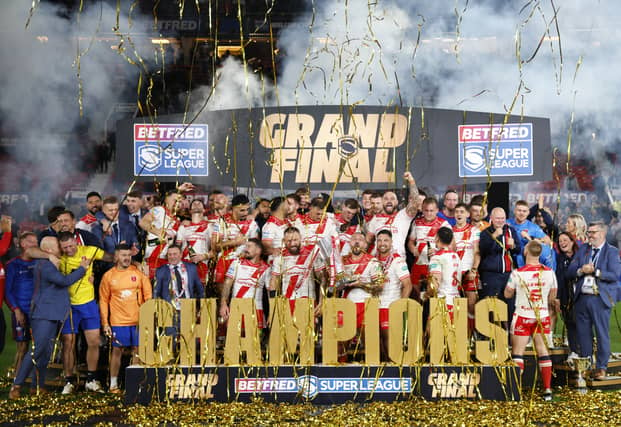

Bigger is not always better in rugby league, a fact emphasised so irresistibly by the late, great Rob Burrow, who at 5ft 5ins and just shy of 11 stone cut a swathe through the sport’s most muscular defences to lead Leeds Rhinos to eight Grand Final wins.
Yet such subtleties appear to have been lost on the sport’s domestic powerbrokers as Super League shapes up for the start of the 2026 season this month with its top-flight roster expanded to 14 teams following the additions of Bradford, Toulouse and York.
Each of the new clubs will make their mark: Bradford bring a wealth of history and old-school ambition, York a modern vision and first-rate facilities, and Toulouse a second chance to expand the sport’s footprint deeper in the south of France.
But while expansion will mostly rid Super League of its unloved loop games, the sport’s limited player pool, and the growing financial disparity between the clubs at the top level and the tiers below them, make the predictability of the 2026 product a real concern.
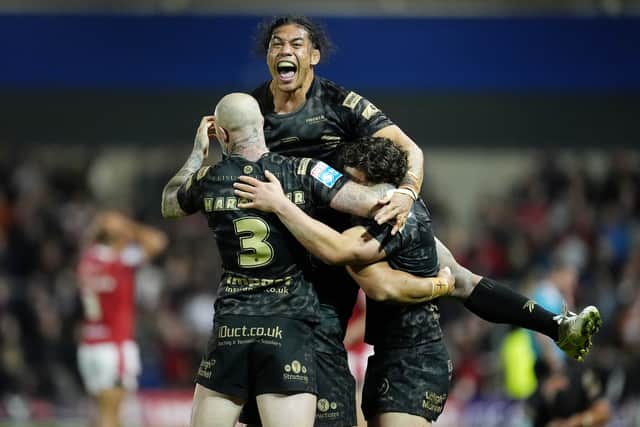
Rovers, not so long ago languishing in the sport’s second tier, present a vibrant blueprint for other less consistent clubs to adopt – admittedly, fuelled by a healthy financial investment – in order to muscle in on a top table that had remained unchanged for far too long.
One of the chief narratives of the 2026 season will be how rival clubs respond to that challenge. Rovers have had little cause to change things in the close season, although the arrival of Tom Amone will give Peters more options in his front row.
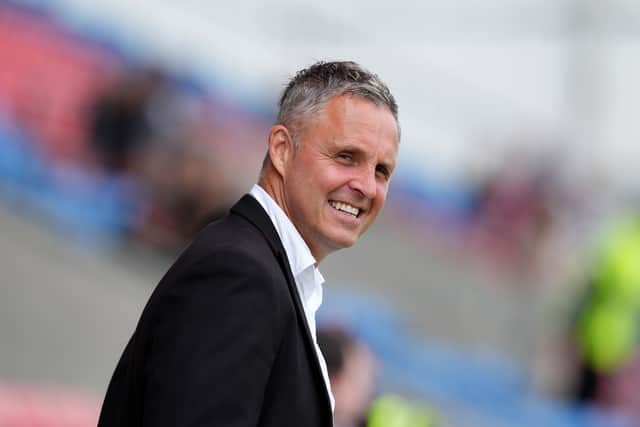
Freed from the crippling constraints of Salford’s demise last season, Paul Rowley can be expected to breathe fire back into a St Helens squad that, for all the criticism levelled at them during Paul Wellens’ tenure last year, boast a solid base of home-grown prospects and have strengthened shrewdly with Jackson Hastings and Nene Macdonald.
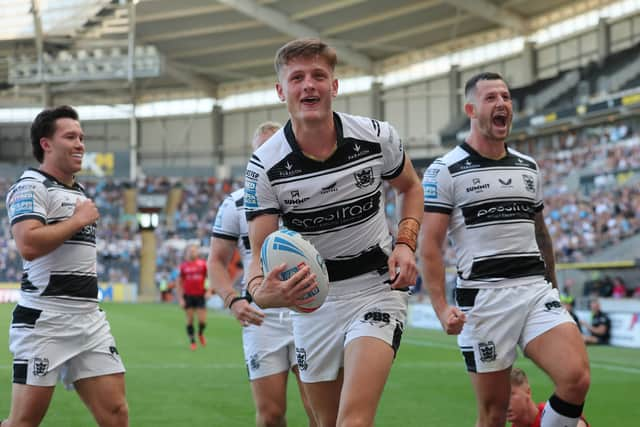
There are also stirrings of a stronger rivalry closer to home, as John Cartwright’s patient approach to reviving Hull FC’s fortunes begins to pay off. The signings of Sam Lisone and James Bell represent arguably the most impressive of all close-season activity, and a strong play-off push can be expected.
Questions remain at Warrington, where Sam Burgess’s long-term tenure remains in question after last season’s sorry eighth place, and Catalans, where last season’s belt-tightening campaign under Joel Tomkins scarcely suggested a revival is on the cards.
Castleford have invested ambitiously under new head coach Ryan Carr, bringing a rare note of optimism at the newly-named OneBore Stadium, Huddersfield less so, although the prospect of an injury-free Niall Evalds will boost hopes among fans of Luke Robinson’s men.
Freed from the crushing pressure of on-field relegation, the three new clubs will merely look to grow into their new surroundings. York, under the shrewd guidance of Mark Applegarth, and with top signings including Paul Vaughan and Josh Griffin, are perhaps equipped to go furthest.
Trips to Las Vegas and Magic Weekend jamborees will secure fleeting headlines but it is the quality of the weekly Super League slog that will determine the true health of the game this season. What it would give for more of the tenacious spirit and jinking runs made famous by the man once known as the ‘Mighty Atom’.