

Charity calls for 'increased enforcement' of fines as annual figures are released
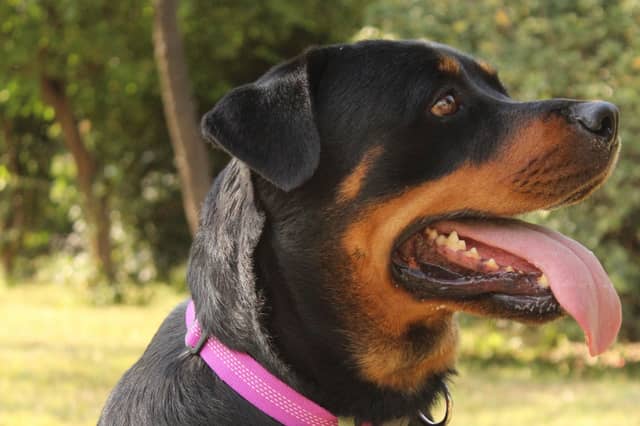

Vision Ireland’s Clear Our Paths campaign is raising awareness of everyday obstacles faced on footpaths, including dog waste, and is urging the public to take action
DATA gathered by Vision Ireland has revealed that just 44 dog fouling fines were issued by local authorities across the country in 2025.
Dog fouling is a public safety issue and poses health risks to both children and adults, particularly to those who are vision-impaired and use mobility aids.
This week, from September 28 to October 2, Vision Ireland’s Clear Our Paths campaign is raising awareness of everyday obstacles faced on footpaths, including dog waste, and is urging the public to take action.
To mark Clear Our Paths, a Vision Ireland survey of 220 people who were blind or vision-impaired found that 99% of respondents were impacted by temporary obstacles such as dog waste.
Not only does dog fouling present a slipping hazard, but it can also be a major problem for long cane users whose canes become dirtied.
Respondents to the survey provided insights into the impact of dog fouling on their day-to-day lives, with one saying: “If dog foul gets on the ball of my cane, I am unable to see it to clean it myself. It can end up on my hands when I fold my cane.”
Vision Ireland is imploring dog owners to act responsibly and consider other users of shared footpaths, despite the extremely low number of fines issued to people for not cleaning up after their dogs.
The latest figures record 44 fines in 2025, compared with 48 fines in 2024.
17 local authorities recorded zero fines for dog fouling last year, up from 14 that recorded none in 2024.
Vision Ireland’s campaign comes shortly after an increased fine for dog fouling came into effect on September 1.
Despite on-the-spot fines being increased to €250, 77% of survey respondents said that they believe this will not make a difference to the dog fouling they experience each day.
Cars parked on footpaths also pose serious hazards and affect the ability of people who are vision-impaired to navigate public spaces.
69% of survey respondents said that parked cars are the most common obstacle blocking their route when using a path, while 65% identified parked cars as the obstacle causing them the greatest difficulty when navigating footpaths.
As part of Clear Our Paths, Vision Ireland is encouraging motorists to think twice the next time they consider leaving their car on a footpath and to reflect on the potential impact on people who are blind or vision-impaired.
Kevin Kelly, head of policy and external affairs at Vision Ireland said: “People who are blind or vision impaired face constant obstacles when using footpaths in Ireland.
“The number of fines issued for illegally parked cars shows the scale of the problem. We also know there are many dog owners who still do not pick up after their pets. These are serious health and safety issues for people who are blind or vision impaired.
“Vision Ireland would like to see increased monitoring and enforcement, but we know that fines alone will not solve the problem. All members of the public need to take responsibility and consider the needs of people who are blind or vision impaired”.
Vision Ireland’s #ClearOurPaths campaign is running across social media until the end of October, highlighting the experiences of people who are blind or vision impaired and the everyday obstacles they face on footpaths.
The charity is encouraging others to join in by sharing on their social media and promoting awareness of the impact of obstacles and the actions the public can take.