

Budget does not go far enough in helping disabled, says advocate
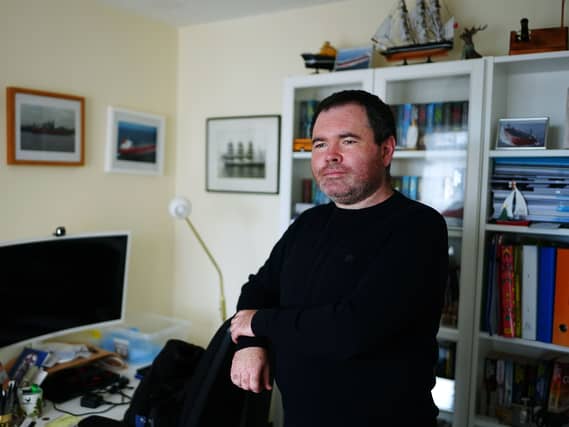

Budget spending on disability education would have been better than a lump sum payment, according to Tomás Murphy, who has an intellectual disability.
The cost-of-disability payment and increase to social welfare announced in Budget 2027 does not go far enough, according to Tomás Murphy, who has an intellectual disability.
The 36-year-old from Dublin said that a 10-euro increase to disability allowance does not reflect the rising cost of living with a disability.
“I don’t think that’s enough. It needs to be more than 10 euro of an increase. It needs to be more than that with the cost of disability and the cost of living going up,” he said.
“The government needs to give more, because people with disabilities live day to day on the allowance.
“It’s not enough. People might have high support needs, and people with disabilities might not have enough money by the end of the week.
“With the cost of living going up, the cost of disability also goes up. It’s the cost of medical care, medicine, technology and then bills and shopping on top of all that.
“If people with disabilities don’t have jobs, the only money they have is the disability allowance.”
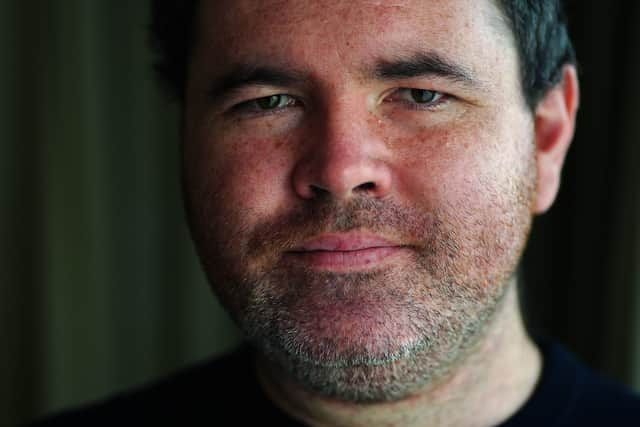
Mr Murphy said his disability means he understands some things but struggles to understand others.
“One of the things I do understand,” he said, “is the Budget.”
As well as being co-chairman of Inclusion Ireland, Mr Murphy is also a part-time employee at A&L Goodbody Solicitors.
He said he was disappointed not to see funding for education or specific projects to get more people with disabilities into employment to break a cycle of dependence.
“They just throw a lump sum to keep people happy,” he said. “That shouldn’t be the case. It should be, ‘we’re going to support them by putting this in, and by giving the support as well’.
“More needs to be done on the ground to support people with disabilities in education, and more money needs to be given to get people with disabilities into work.
“I have a job two days a week, and I really love my job. But it’s hard for people with disabilities to get jobs because people think, ‘oh, they have a disability, they might not be able to work’.
“But that’s not the case. It’s not a good stigma because people with disabilities can contribute to their place of employment and are very good and dedicated to their job.
“Once they have the support, then they can live in their community independently, and be part of the community and have a life of their own.”
A cost-of-disability payment of 500 euro was announced in the Budget to be paid out early in the new year.
Government data puts the additional costs faced by people with disabilities at between 10,766 euro and 15,500 euro per year, and Mr Murphy said the lump sum will not cover additional expenses such as extra energy costs, adaptive technology and home and transport adaptations.
“I’m disappointed with the 500 for next year,” he said, “it’s not enough because the cost of disability is going up and up, it’s not enough for people with disabilities.”
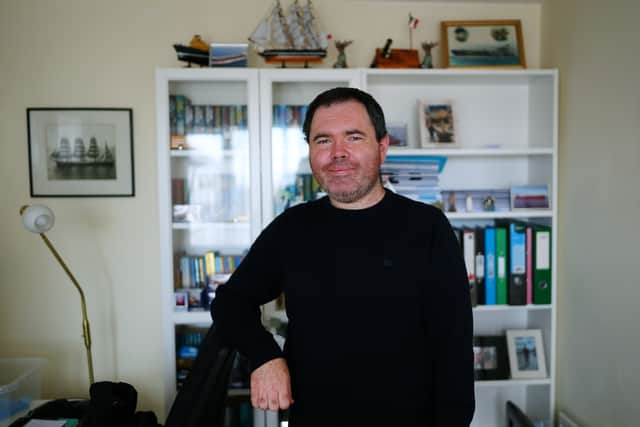
He said another area where measures were seriously lacking on was housing.
“People as they get older, they need a place of their own. I’d love to see projects for the government to help disabled people get their own home and help people with disabilities to be more independent,” he said.
“I would have liked to see more accessible housing for people with disabilities, especially people with high support needs, because houses are built and are not really for them, they’re not accessible.
“They need to be talk to people with disabilities and say, ‘well, how can we build houses and how can we go about building houses the right way?’.”
In the 2022 census, 1,109,557 people, 22% of the population, identified as living with a disability.
Mr Murphy said that the government should speak to more of those people, to make better-informed decisions.
“Sometimes it feels like it’s one step forward and then two steps back,” he said.
“They need to do better, and there needs to be more people with disabilities in consultation with the government and to talk to people with lived experience so they know what’s happening on the ground.”