

UL study highlights benefits of music and speech therapy for children
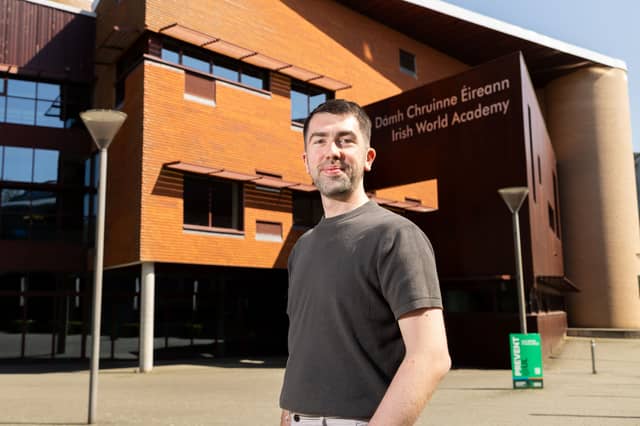

The study explored how children aged between two and six responded to a joint music therapy and speech and language therapy programme, delivered during inpatient neurorehabilitation.
A new University of Limerick study has uncovered research that will see increased support meaningful communication gains in young children recovering from acquired brain injuries.
The study - conducted by a multidisciplinary team from University of Limerick and the National Rehabilitation Hospital - explored how children aged between two and six responded to a joint music therapy and speech and language therapy programme, delivered during inpatient neurorehabilitation.
The research identified three key ways the interdisciplinary approach supported communication development: using familiar songs to encourage vocal expression, using active musical play to strengthen turn-taking and social reciprocity, and embedding choice-making opportunities in highly motivating musical activities.
Led by Dr James Burns, UL researcher and paediatric music therapist at the National Rehabilitation Hospital, Dublin, the study offers new evidence for how music can create structured, enjoyable opportunities for children with acquired communication impairments to re-engage with speech, sound, gesture, and interaction.
Dr Burns described the research findings as 'particularly significant', especially as research into collaborative music therapy and speech and language therapy for very young children with acquired communication impairments remains limited.
"What was particularly striking was seeing how music created a space where interaction felt easier and more natural for children. Familiar songs and playful musical routines helped children vocalise, take turns, and connect more easily with the people around them.”
Researchers observed children progressing from early pre-verbal engagement and simple vocalisations to word production, phrase completion, and more spontaneous communicative exchanges.
Recalling an observation period, Dr Burns explained that one child "initially joined in Old McDonald using only the final ‘o’ in ‘E-I-E-I-O’, but later progressed to independently singing phrases from Twinkle Twinkle Little Star".
“While these moments may appear small, they represented important steps towards using his voice more intentionally, initiating interaction, and participating more actively in everyday communication with others.” Dr Burns concluded.
Researchers say the work helps move the field beyond descriptive case reports by closely examining how communicative responses emerge within therapy sessions, with professor Hilary Moss, co-author of the study and Course Director of UL’s MA Music Therapy, describing the value of the research as "crucially important".
“Music therapists are perfectly positioned at the intersection of music and clinical research and practice. We welcome interdisciplinary collaboration with our fellow clinicians to ensure services and treatments are developed to appropriately meet client-centred health needs,” she concluded.
The team hopes the findings will inform future paediatric neurorehabilitation practice and support the development of more robust tools for evaluating communication change in young children with acquired communication impairments.